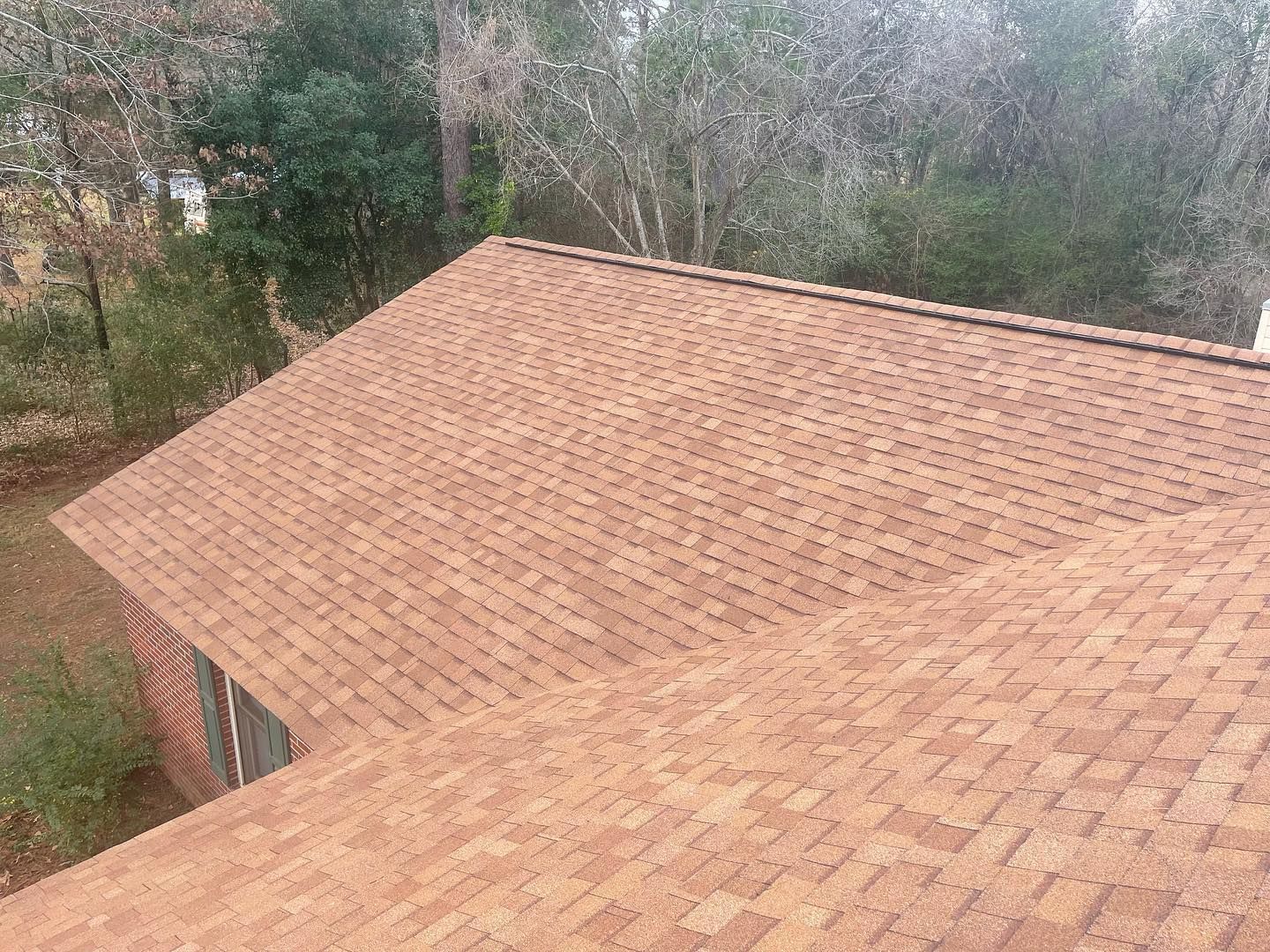
Flat Roofing Explained: Best Uses and Maintenance Tips
Flat roofing has emerged as a practical and versatile option for both residential and commercial buildings. Unlike traditional sloped roofs, flat roofs offer a unique combination of modern aesthetics, functional space utilization, and cost-efficiency. Their low-profile design allows property owners to maximize usable space on rooftops, accommodating features such as rooftop gardens, patios, solar panels, or HVAC installations. As urban areas continue to densify, flat roofing provides an architectural solution that blends functionality with contemporary design trends. Understanding the best uses of flat roofs and how to maintain them is essential for property owners seeking long-term durability and value.
Despite their advantages, flat roofs present distinct challenges, particularly in regions with heavy rainfall or snow accumulation. Without proper construction and routine maintenance, water pooling, leaks, and structural damage can occur over time. For homeowners, building managers, and commercial developers, knowing how to select the right materials, implement proper installation techniques, and conduct timely maintenance is critical. This comprehensive guide explores the applications, benefits, challenges, and upkeep strategies for flat roofing, equipping property owners with actionable knowledge to make informed decisions and protect their investment.
1. Understanding Flat Roofs: Basics and Materials
What is a Flat Roof? Explained Simply and Clearly
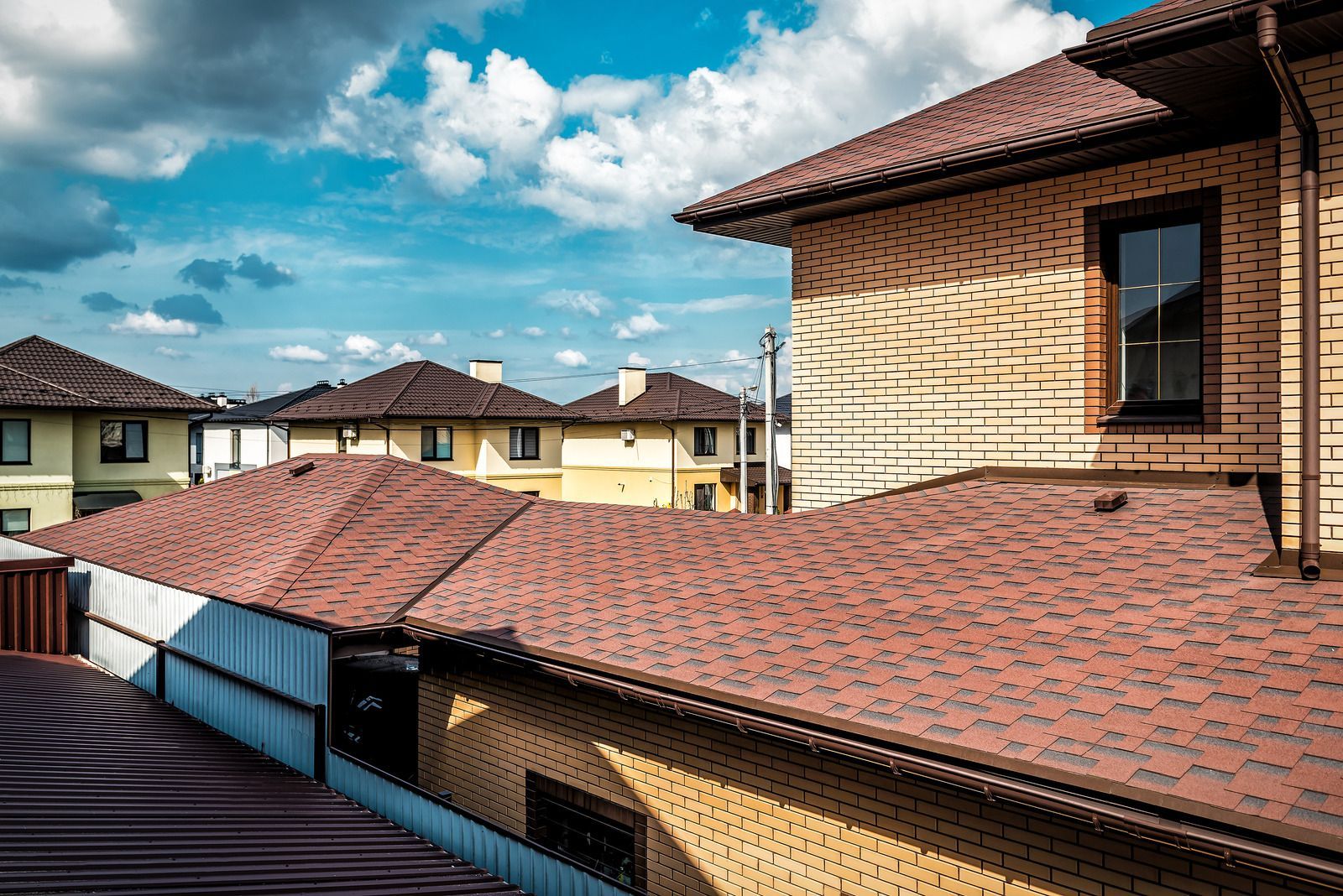
A flat roof is a horizontal or nearly horizontal roof structure, typically designed with a slight pitch (1–2%) to allow proper water drainage. Unlike sloped roofs that rely entirely on gravity for runoff, flat roofs require careful design and planning to prevent standing water, which can compromise structural integrity over time. Flat roofs are commonly seen in commercial buildings, apartment complexes, and modern residential architecture, where clean lines and minimalistic aesthetics are highly preferred by architects and property owners alike.
Common Flat Roofing Materials and Their Key Benefits
Built-Up Roofing (BUR): This traditional system uses multiple layers of bitumen and reinforcing fabrics, creating a highly durable, weather-resistant membrane. BUR is exceptionally resilient but can be more labor-intensive and time-consuming to install compared to modern alternatives.
Modified Bitumen: Modern evolution of BUR, modified bitumen incorporates polymers to enhance flexibility, resistance to harmful UV rays, and superior waterproofing. It’s particularly ideal for regions experiencing wide temperature fluctuations throughout the year.
EPDM (Ethylene Propylene Diene Monomer): A synthetic rubber roofing material known for long-lasting durability, lightweight properties, and excellent resistance to UV rays and ozone exposure. EPDM is relatively easy to install and maintain over time.
PVC (Polyvinyl Chloride): PVC membranes are highly popular for commercial flat roofs due to their strength, chemical resistance, and reflective properties that improve energy efficiency while maintaining structural integrity.
TPO (Thermoplastic Olefin): TPO offers a cost-effective, reflective, and heat-resistant roofing option, increasingly preferred for eco-conscious commercial and residential projects.
2. Best Uses for Flat Roofs in Different Properties
Residential Applications and Modern Design Advantages
Flat roofs are becoming increasingly popular in modern residential home designs. Architects and designers often use flat roofs to create sleek, minimalist structures while maximizing rooftop utility. The flat surface enables convenient placement of solar panels, HVAC units, or other functional equipment without compromising the building’s aesthetic appeal and architectural harmony.
Commercial and Industrial Uses with Practical Benefits
Flat roofs dominate commercial architecture because of their cost-efficiency, ease of installation, and practical functionality. Warehouses, office buildings, and retail centers benefit from accessible roof space for equipment installation, routine maintenance, and potential future expansion. Flat roofs also support rainwater collection systems and green roofing initiatives, contributing to sustainable and environmentally responsible building practices.
Advantages in Urban Environments and Space Utilization
Urban areas often face limited space and strict zoning restrictions. Flat roofs allow property owners to maximize rooftop usage for recreational spaces, rooftop terraces, and community gardens. Additionally, flat roofing simplifies integration of solar panels, enhancing energy efficiency without affecting the overall building design or skyline aesthetics.
3. Common Challenges of Flat Roofing and Solutions
Water Drainage Issues and Potential Risks
Despite their name, flat roofs are rarely perfectly flat. Even minimal water pooling can result in leaks, membrane damage, or structural issues if drainage systems are poorly designed. Proper installation of internal drains, scuppers, and gutter systems is essential to prevent long-term water accumulation and related damage.
Exposure to Elements and Material Wear
Flat roofs endure direct exposure to sunlight, rain, snow, and wind throughout the year. Continuous UV exposure can degrade roofing materials over time, while seasonal temperature fluctuations may cause expansion and contraction, leading to cracks, splits, or blisters in roofing membranes.
Maintenance Complexity for Longevity
Flat roofs require more frequent inspections than sloped roofs due to potential water pooling and material wear. Neglecting routine maintenance can result in expensive repairs, early roof failure, and structural problems that affect the overall safety of the building.
Seasonal Considerations for Climate Adaptation
Regions with heavy snowfall, monsoon rains, or extreme weather conditions may require reinforced flat roofing systems or advanced drainage strategies. For example, a commercial property in North Carolina experiencing winter storms would benefit from a slight built-in slope and a high-quality membrane to mitigate ice or snow buildup effectively.
4. Maintenance Tips for Longevity and Performance
Routine Inspections to Detect Damage Early
Regular inspections are critical for detecting early signs of wear or damage. Property owners should inspect their flat roof at least twice a year, ideally in spring and fall, and immediately after severe storms. Look for:
- Standing water or ponding areas
- Cracks, blisters, or tears in the membrane
- Debris accumulation that can obstruct proper drainage
Cleaning and Drainage Management Strategies
Debris such as leaves, dirt, and branches can block drainage pathways, causing water to pool on the roof. Keeping gutters, scuppers, and downspouts clean ensures proper water flow. Pressure washing can remove stubborn dirt but must be performed carefully to avoid damaging the roofing membrane.
Preventive Repairs to Avoid Costly Damage
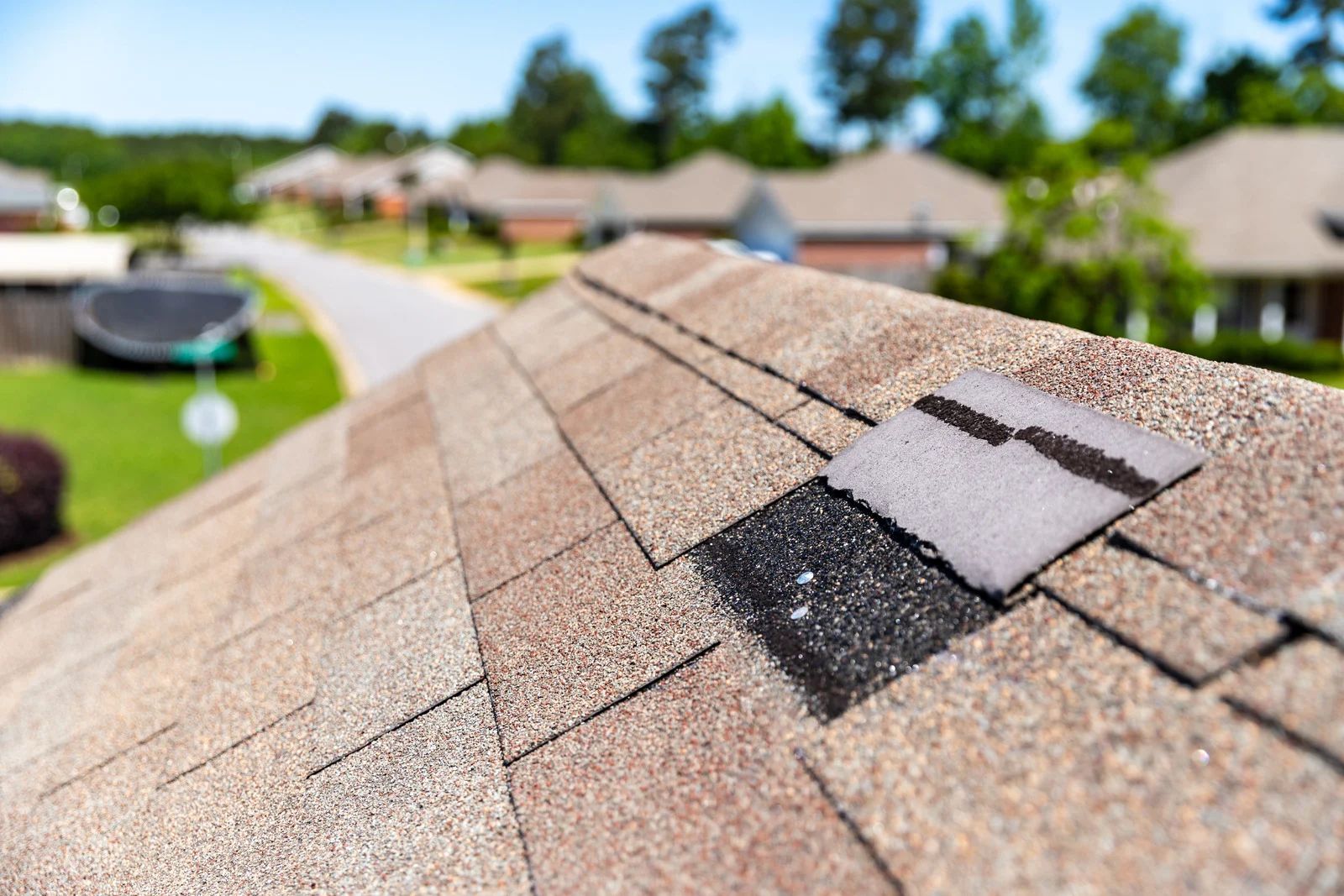
Address minor damage promptly to prevent escalation. Small tears, punctures, or cracks can be sealed with appropriate roofing patches or adhesives. Delaying repairs may allow water infiltration, leading to structural deterioration or mold growth over time.
Professional Maintenance Services for Safety
Hiring a certified roofing contractor for periodic inspections and preventive maintenance can significantly extend roof life. Professionals can assess membrane integrity, reseal seams, and recommend improvements to drainage or insulation.
Seasonal Preparations for Weather Extremes
Before winter, ensure all drains are clear of leaves and debris, and verify the roof is free from cracks where ice could penetrate. In warmer months, check for UV-induced wear and reapply reflective coatings if needed to prevent heat-related material degradation.
5. Best Practices for Flat Roof Installation Success
Selecting the Right Material for Your Climate
Material selection depends on the building’s location, climate, budget, and intended use. For instance, EPDM is ideal for areas with extreme temperature fluctuations, while TPO or PVC is better suited for regions with high UV exposure and energy efficiency concerns.
Proper Slope Design for Effective Drainage
Even flat roofs require a slight slope, typically 1–2%, to ensure adequate drainage. Insufficient slope can result in persistent water pooling, accelerating material deterioration and potentially compromising the roof’s structural stability.
Quality Installation for Maximum Longevity
The lifespan of a flat roof is heavily influenced by the quality of its installation. Hiring experienced contractors who follow manufacturer guidelines and local building codes is essential. Poor installation can void warranties and lead to long-term structural problems.
Integration of Roof Features and Functional Design
Consider integrating parapets, internal drains, scuppers, insulation layers, and ventilation features. Properly designed roof elements ensure efficient water management, improved thermal regulation, and enhanced structural performance.
6. Enhancing Flat Roof Performance and Longevity
Energy Efficiency Improvements for Flat Roofs
Applying reflective coatings or choosing light-colored roofing membranes can reduce heat absorption, lowering cooling costs and improving indoor comfort. Green roofs with vegetation also provide natural insulation, reducing energy consumption while enhancing aesthetic value.
Waterproofing Enhancements for Protection
Adding extra waterproof membranes or liquid-applied coatings can protect flat roofs from leaks and extend their lifespan. Reinforcing vulnerable areas around vents, skylights, and HVAC units is essential to prevent water infiltration.
Rooftop Accessibility and Maintenance Planning
Designing safe access points for maintenance personnel ensures regular upkeep without damaging the roof. Walk pads or reinforced traffic areas prevent wear and tear in high-use locations, extending roof performance over time.
Essential Insights for Long-Lasting Flat Roofing
Flat roofs offer a modern, practical solution for a variety of property types, from urban residential buildings to expansive commercial facilities. Their design maximizes rooftop utility, provides aesthetic appeal, and supports energy-efficient initiatives. However, flat roofs come with unique challenges, including water drainage, material wear, and maintenance demands. Property owners who understand the right materials, installation practices, and maintenance strategies can significantly extend the lifespan of their flat roof, reducing repair costs and safeguarding the building’s structural integrity.
At Vertex Roofing & Restoration
in Hoke County, NC, we bring over 10 years of experience in installing, maintaining, and repairing
flat roofing systems. Our team combines technical expertise with high-quality materials to ensure every project meets the highest standards. Whether you need a new flat roof, preventive maintenance, or emergency repair services, our commitment to excellence ensures that your roof remains durable, energy-efficient, and visually appealing. Trust Vertex Roofing & Restoration
for reliable solutions that protect your investment for years to come.