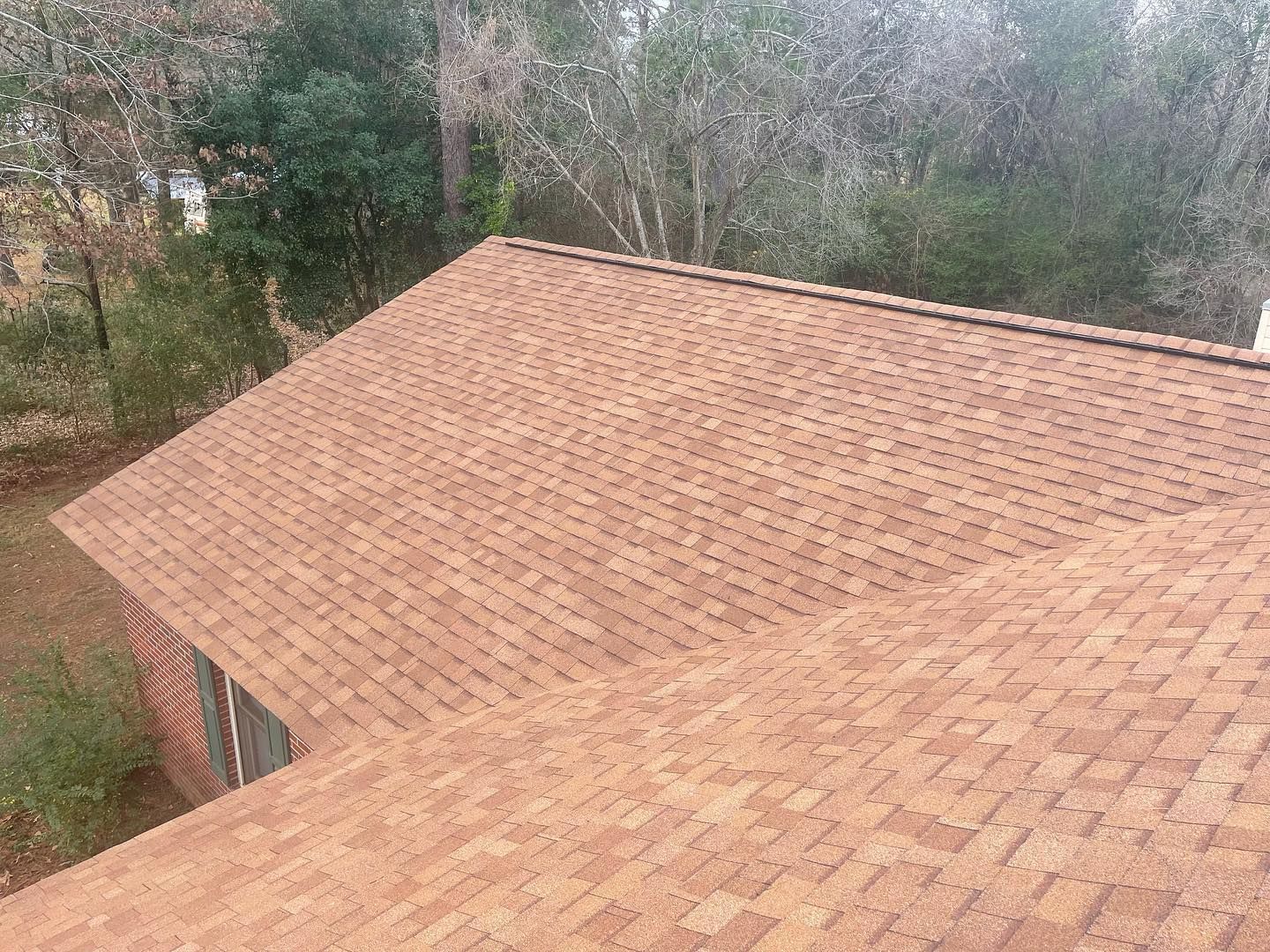
The Insurance Claim Process for Roof & Storm Damage—What Hoke County Homeowners Should Know
When severe weather strikes, Hoke County homeowners often face the daunting aftermath of roof and storm damage. From heavy rainfall to hailstorms and high winds, roofs are among the most vulnerable parts of a home, frequently sustaining damage that can compromise structural integrity, interior safety, and property value. Understanding the insurance claim process for such damage is critical. Many homeowners are caught off guard by the complexities involved in filing a claim, navigating policy coverage, and dealing with insurance adjusters. Knowledge of these procedures can make the difference between a smooth recovery and prolonged stress.
Proactive preparation is essential for minimizing complications during the insurance process. Knowing how to document damage, assess repair needs, and communicate effectively with insurance providers can expedite claims and secure adequate compensation. With storm events increasing in frequency and intensity, having a clear roadmap for roof damage claims is no longer optional—it’s a vital component of responsible homeownership. This guide provides Hoke County residents with actionable insights into the insurance claim process, helping homeowners protect their property, reduce delays, and ensure their homes are restored efficiently after storm-related incidents.
Understanding Your Insurance Policy
Policy Coverage Essentials
Before filing a claim, it is crucial to thoroughly review your homeowner’s insurance policy and understand every coverage detail. Roof and storm damage coverage can vary significantly based on the type of policy, the age and condition of your roof, and any specific exclusions or limitations. Standard policies typically cover sudden and accidental damage caused by wind, hail, or fallen trees, which are often unexpected. However, gradual wear-and-tear, neglect, or maintenance-related issues may not be covered under most standard policies.
Real-World Example
Consider a Hoke County home that suffered hail damage during a summer storm, which caused partial shingle loss. If the homeowner had not reviewed their policy carefully, they might mistakenly assume all roof damage qualifies for coverage. In reality, some policies require specific roof types to be covered, or they may have high deductibles that significantly influence the payout amount. Understanding these nuances prevents costly surprises during the insurance claims process.
Documenting Your Policy Details
Homeowners should make note of their coverage limits, deductibles, and any endorsements or riders specifically related to roof damage and storm events. These details directly determine how much the insurance company may reimburse and outline homeowner responsibilities during repairs or temporary fixes. Keeping both a digital and physical copy of the policy ensures quick access when storm damage occurs, enabling faster and more efficient communication with insurance providers.
Benefits of Understanding Your Policy
Being well-informed allows homeowners to act promptly and confidently during emergencies or unexpected storm events. It helps in setting realistic expectations, reduces disputes with insurance adjusters, and ensures that claims reflect actual damage rather than assumptions. Additionally, understanding policy coverage empowers homeowners to make informed decisions about repair contractors, temporary protective measures, and long-term roof replacement strategies in the most effective manner possible.
Assessing Roof & Storm Damage
Initial Inspection and Safety
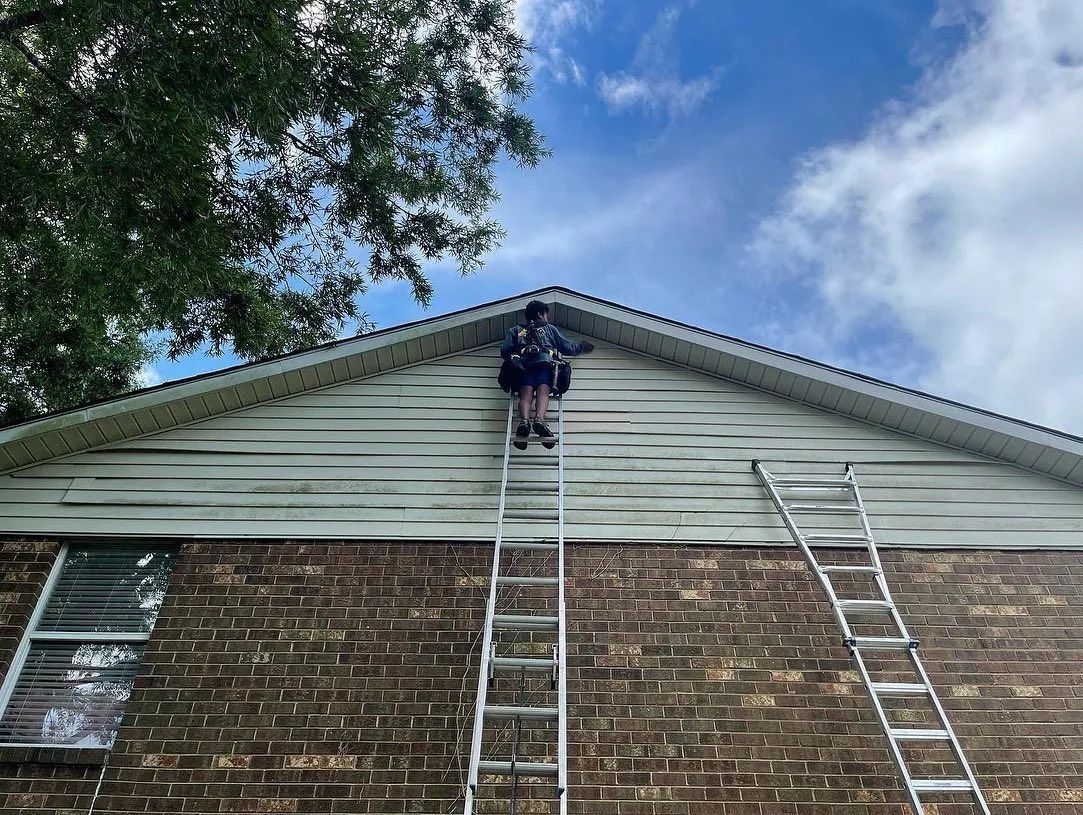
After a storm, safety should always be the first priority for homeowners. Inspecting a roof immediately after severe weather can be hazardous due to weakened structures, scattered debris, or slippery surfaces caused by rain. Homeowners should conduct a careful visual assessment from the ground, noting missing shingles, punctures, dents, and potential water leaks that could cause interior damage. Documenting damage through detailed photos and videos is critical for supporting an insurance claim properly and efficiently.
Real-World Scenario
A Hoke County homeowner might notice only a few missing shingles after a windstorm, assuming minimal impact and low repair costs. However, a professional inspection may reveal underlying water damage, rot, or weakened support beams, which require urgent attention. Documenting these findings ensures the insurance claim accurately reflects the full cost of repairs or replacement and avoids underestimation of expenses.
Professional Roof Inspections
Engaging a licensed roofing contractor to perform a detailed, professional inspection is highly recommended and often necessary. Professionals can identify underlying damage that may not be immediately visible, such as compromised decking, hidden water intrusion, or subtle structural shifts. A contractor’s detailed assessment provides credible, professional evidence that insurance adjusters often require for processing claims efficiently and accurately.
Best Practices for Damage Assessment
- Conduct a safe initial assessment without climbing onto the roof to avoid injuries or accidents.
- Take high-resolution photos of all affected areas from multiple angles, ensuring every detail is visible.
- Include interior damage such as water stains, ceiling sagging, or wall discoloration for full documentation.
- Obtain a written inspection report from a certified contractor for submission to insurance providers.
By systematically assessing and documenting storm damage, homeowners strengthen their claim credibility and reduce the likelihood of disputes or delayed payouts significantly.
Filing the Insurance Claim
Initiating the Claim
Once damage is thoroughly documented, homeowners should contact their insurance provider promptly and report the incident in detail. Most companies have 24/7 claims reporting services, and initiating the process early can prevent further complications or delays. Provide detailed information about the storm event, observed damage, and supporting documentation to start the claim efficiently.
Communicating with Adjusters
Insurance adjusters will schedule an on-site evaluation to verify the reported damage and ensure accuracy. Effective communication is essential during this process. Homeowners should clearly explain observed damage, provide photos, inspection reports, and any contractor estimates. Transparency, organization, and professional documentation streamline the review process and minimize misunderstandings or claim denials.
Common Challenges
Homeowners often encounter challenges such as underestimation of damage, delayed inspections due to high claim volumes after major storms, or confusion over specific policy terms. Preparing a thorough claim packet, maintaining copies of all communications, and documenting interactions with insurance representatives can significantly mitigate these common issues and improve outcomes.
Tips for a Successful Claim
- Keep a detailed timeline of all storm-related events, damage observations, and interactions with professionals.
- Retain contractor estimates and professional repair assessments for verification purposes and insurance documentation.
- Avoid unauthorized repairs before insurance approval, except for temporary measures to prevent further damage.
- Review policy language carefully regarding coverage limits, depreciation clauses, and any applicable exclusions.
Following these professional practices ensures that Hoke County homeowners submit claims that are accurate, complete, and more likely to receive fair compensation.
Understanding Claim Adjustments & Payouts
How Adjusters Determine Payouts
After evaluating the damage, insurance adjusters calculate the claim payout based on policy limits, deductibles, actual cash value (ACV), or replacement cost value (RCV). ACV accounts for depreciation and aging of materials, whereas RCV covers full replacement costs without factoring in wear. Understanding the payout method used by your insurer helps homeowners set realistic expectations for coverage.
Negotiating Discrepancies
In some cases, the initial payout may not cover all necessary repairs or replacement costs. Homeowners can challenge adjuster assessments by providing contractor estimates, before-and-after photos, and detailed repair breakdowns. Open communication, professional documentation, and supporting evidence are key to resolving discrepancies and ensuring proper compensation.
Scenario Example
Suppose a Hoke County property experienced wind damage, and the adjuster initially estimates $5,000 for roof repairs based on ACV calculations. A licensed contractor’s detailed report showing $7,500 in replacement costs allows the homeowner to request a justified adjustment. Many claims are successfully revised when thorough professional documentation supports the claim.
Expert Reasoning
Being proactive, organized, and informed enables homeowners to advocate effectively for fair settlements. Understanding the differences between depreciation, deductibles, and policy limits ensures claims are not undervalued, helping homeowners restore their homes fully without facing unexpected financial strain or prolonged repair delays.
Preventing Future Damage & Insurance Tips
Regular Roof Maintenance
Regular roof inspections and preventive maintenance reduce the risk of severe storm damage and improve the likelihood of insurance approval in future claims. Clearing gutters, repairing minor issues promptly, and ensuring overall roof integrity are preventive steps that help maintain property value and safety.
Storm Preparedness
Installing impact-resistant shingles, reinforcing roof structures, and trimming nearby trees mitigate potential storm damage. Proactive measures also demonstrate responsible homeownership and can positively influence insurance assessments, premiums, and future claims processing.
Insurance Best Practices
- Review and update your policy annually to ensure coverage reflects current roof conditions and storm risks.
- Keep detailed maintenance records to demonstrate ongoing care and responsibility to insurance providers.
- Document pre-existing damage before policy renewal to avoid confusion or claim denial.
- Understand coverage for different storm scenarios, including wind, hail, and falling trees.
These professional steps not only protect your property but also simplify the claims process when damage occurs, ensuring homeowners receive proper compensation to maintain the home’s value and long-term safety.
Expert Recommendations To Ensure Proper Storm Coverage
Navigating the insurance claim process for roof and storm damage requires diligence, preparation, and informed decision-making. By understanding policy coverage, accurately assessing damage, filing organized claims, and communicating effectively with adjusters, homeowners can secure timely and fair compensation. Proactive maintenance, professional inspections, and detailed documentation are essential strategies that minimize complications and safeguard property value. Hoke County residents benefit greatly from knowing these procedures, reducing stress and ensuring their homes are restored efficiently after storm events.
For Hoke County homeowners seeking reliable guidance, Vertex Roofing & Restoration
brings over a decade of expertise in handling roof and storm damage claims. Located in Hoke County, NC, our team has helped countless residents navigate insurance processes with professionalism and precision. From thorough inspections to detailed documentation and expert repair services, we ensure your claim is maximized and your home restored with the highest quality standards. Trust Vertex Roofing & Restoration to protect your property and simplify the complexities of storm damage recovery with experience, care, and confidence.