Seasonal Home Maintenance Checklist for Raeford, NC Residents
Quick Answer: A Raeford home holds up best when its exterior gets checked on a fixed seasonal rhythm rather than only after something goes wrong. Roofing industry guidance calls for two inspections a year, once in spring and once in fall, with a walk-around after any major storm. Gutters need the same twice-yearly baseline, more often on lots shaded by pines, since the Sandhills produce heavy pollen drop in spring and steady needle litter the rest of the year. Hurricane season runs June 1 through November 30 with activity peaking in August through October, which makes early summer the deadline for tightening up flashing, trim, and drainage before storms arrive. Paint and caulk get one honest look each fall, since gaps that dry out over a humid summer are what let winter cold get behind the siding.
Your gutters fill with pine straw first, usually sometime around April, right about when that yellow film of pollen coats the cars and the porch rail. By July the afternoon thunderstorms roll in fast off the heat, dumping an inch of rain in twenty minutes and testing every seam on the roof. Late summer brings the tropical systems, sometimes just a soaking rain band, sometimes a wind event strong enough to strip limbs off the pines. Fall drops another round of leaves and needles. By January, the county usually sees at least one hard freeze that turns any standing water into a problem.
A house in the Sandhills doesn't get one season to prepare for. It gets four, back to back, and each one leans on a different part of the exterior. Homeowners who treat maintenance as a single spring cleanup miss the jobs that only make sense in July or November. Here's what to check, and when, working through the year the way this climate actually runs.
Spring: Clearing Winter's Damage Before Pollen Season Hits
Spring is the reset point. Whatever the cold did to your roof, gutters, and paint over the previous months becomes visible once it's warm enough to get outside and look.
Roof Inspection
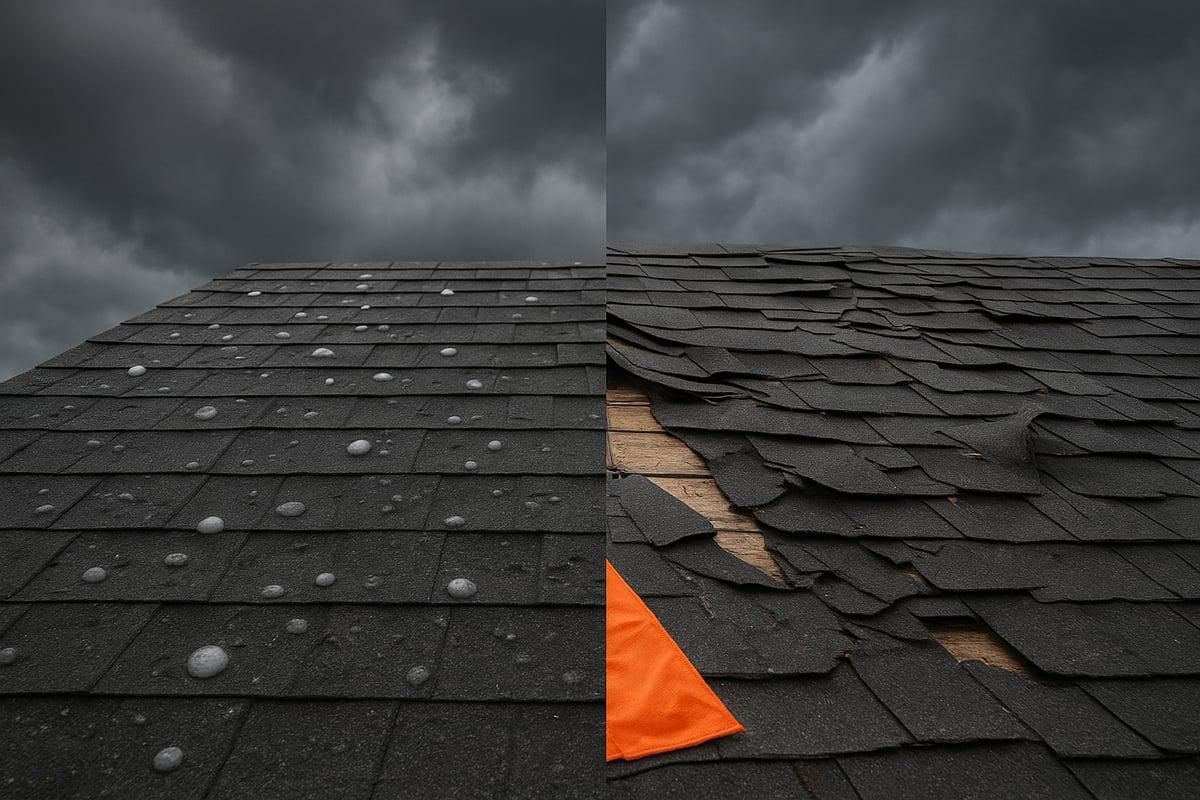
Roofing trade guidance points homeowners toward two checkups a year, and spring is the first one. The goal is catching whatever winter did before pollen and pine debris pile up on top of it: shingles that curled or cracked during the cold snaps, granules collecting in the gutter troughs, flashing around chimneys and vents that worked loose. A spring check also buys time to get repairs scheduled before the humid months, when roofers get busier and rain delays start stacking up.
Gutter Clearing
Winter leaves gutters loaded with the last of the fall drop plus whatever blew in during storms, and pollen season adds a fresh layer within weeks. Clearing them in spring gets ahead of both. Gutter maintenance guidance points to a twice-a-year baseline, spring and fall, with homes shaded by pines needing three or four cleanings a year, since needles don't break down or wash through the way broadleaf litter does.
Paint And Caulk Touch-Ups
Walk the exterior and look at the south- and west-facing trim, window frames, and door casings, the surfaces that took the brunt of winter sun and cold. Hairline cracks in caulk around windows and siding joints widen over a freeze-thaw winter, and those small gaps are what let moisture behind the siding all summer. A spring touch-up on the worst spots beats a full repaint later.
Other Spring Tasks
Check the attic vents for pollen or debris blocking airflow. A poorly ventilated attic bakes shingles from underneath once summer heat sets in. Look at the soffit and fascia boards for soft spots or peeling paint too, both signs moisture got behind them over winter. And if any tree limbs hang over the roofline, trim them back before storm season gives them a reason to come down on their own.
Summer and Hurricane Season: Getting Ready Before June 1
North Carolina's hurricane season runs from June 1 through November 30, with the Atlantic's most active stretch typically falling between August and October. Raeford sits well inland. Tropical systems still bring straight-line wind, heavy rain, and downed limbs this far from the coast, so the work that matters here has less to do with looks and more to do with making sure water has somewhere to go once the sky opens up.
Pre-Season Roof Check
Before the season's first named storm, confirm the shingles are laying flat and flashing around every penetration is sealed. A roof that's sound going into June handles wind-driven rain far better than one carrying loose shingles or a slow leak that only shows itself under sustained pressure.
Gutters Clear And Downspouts Extended
Summer storms in the Sandhills arrive fast and heavy, and a gutter system clogged with spring pollen residue or early pine drop can't move that volume of water in time. Confirm downspouts carry water at least several feet from the foundation. A house that handles roof runoff well avoids the pooling that leads to crawl space and foundation trouble during a wet summer.
Loose Items And Overhanging Branches
Anything not secured, patio furniture, hanging planters, loose gutter guards, turns into a projectile in straight-line wind. Dead or overhanging limbs near the roofline are one of the more common sources of storm damage in this region. Removing them ahead of a storm costs a lot less than repairing what they hit.
Tip: After any storm that brings sustained wind or heavy rain, take a few minutes to check the attic with a flashlight rather than assuming the roof is fine because nothing is dripping yet. A slow leak from wind-driven rain can take a day or two to show up as a ceiling stain, and catching wet decking early keeps a repair small.
Paint And Caulk In The Humidity
Southeastern North Carolina summers run hot and humid enough to stress even a well-applied coat, and any gap in caulking around trim or siding joints becomes an entry point for moisture during a heavy rain event. This isn't the season for a full repaint, but it's worth a quick check after the worst storms to confirm nothing peeled or pulled apart at the seams.
Fall: The Second Inspection Before Freeze Season
Fall carries more weight than most homeowners give it credit for. It's the last real chance to fix anything before winter's freeze-thaw cycles turn small problems into bigger ones.
Second Roof Inspection
This pass is about finding what the summer's heat, storms, and humidity did to the roof, before cold weather makes shingles more brittle and less forgiving to work on. Look for granule loss, lifted or curling shingle edges, and any flashing that worked loose during a summer storm. Catch it now, and it's a quick, planned repair instead of a winter leak.
Gutter Cleaning, Round Two
Pine trees are evergreen, but they still shed needles steadily through fall, and the oaks and other hardwoods around the neighborhood drop their leaves right on top of that. A gutter that goes into winter clogged holds water against the roof edge. Repeated freezing in that standing water is what starts fascia rot and, in a hard freeze, ice damming at the eaves.
Caulk And Exterior Paint
Fall's lower humidity gives caulk a better shot at curing properly, which makes it worth sealing any gaps you spotted during the summer walk-around before the first freeze. Full repaints aren't usually urgent here unless peeling or bare wood is already showing. Exterior paint in this climate typically holds up five to ten years depending on sun exposure and how well the surface was prepped.
Other Fall Tasks
Have the chimney and flue checked before the first fires of the season if the home has a working fireplace. Think about whether gutter guards make sense for a heavily wooded lot, since they cut down on how much debris needs clearing by hand through the winter months.
Winter: Managing Raeford's Occasional Hard Freeze
Winters in the Sandhills are mild by national standards. But Hoke County still sees nights below freezing most years, and it's the swing, a 60-degree afternoon followed by an overnight freeze, that causes damage here, not sustained cold the way northern climates deal with it.
Watch For Ice Dams At The Eaves
A gutter that stayed clogged from fall lets meltwater back up under the shingles at the roof edge during a freeze-thaw cycle instead of draining off the way it should, and that backed-up water can work its way into the fascia and roof deck. Good attic insulation and ventilation cut down on the temperature swing that causes this. A clear gutter run gives any meltwater somewhere to go.
Warning: Do not use a hammer, chisel, or any sharp tool to chip ice out of a gutter or off a roof edge. Shingles and gutter seams turn brittle in freezing temperatures and crack easily under impact, turning a temporary ice problem into a repair that outlasts winter by months. Let it melt on its own or have it addressed professionally.
Post-Freeze Roof Check
After any hard freeze or winter storm with wind, look for shingles that cracked from the cold or granules piling up in the gutters. Both are signs the material took stress it won't fully bounce back from. Note them even if nothing's actively leaking yet, since these tend to be the spots that fail during the next heavy summer rain.
Protect Exterior Wood And Trim
Cold, dry winter air pulls moisture out of exterior wood trim and can widen any caulk gaps that didn't get sealed in fall. A quick look at the window and door trim after the coldest stretch of the season catches problems while they're still small enough for a touch-up instead of a full repair.
Frequently Asked Questions
How often should a Raeford homeowner have their roof inspected?
A Raeford homeowner should inspect the roof twice yearly, in spring and fall, plus after major storms. Regular inspections help catch weather-related damage before leaks become costly.
When does hurricane season start and end in North Carolina, and does it affect inland areas like Raeford?
North Carolina’s hurricane season runs June 1 through November 30. Inland Raeford can still experience heavy rain, strong winds, and falling trees, making storm preparation important.
How often do gutters actually need to be cleaned on a lot with pine trees?
Gutters should generally be cleaned twice yearly, but pine-heavy Raeford properties may need three or four cleanings because needles accumulate steadily and can quickly restrict drainage.
Do homes in the Sandhills really need to worry about ice dams?
Yes, Sandhills homes can experience ice dams during freeze-thaw cycles. Keeping gutters clear and maintaining proper attic insulation and ventilation can reduce the risk significantly.
What time of year is best for exterior paint touch-ups in North Carolina?
Fall is generally ideal for exterior paint touch-ups because lower humidity supports better curing. It also provides an opportunity to repair damage caused by summer weather.
What is the biggest seasonal mistake homeowners make with roof and gutter maintenance?
The biggest mistake is treating maintenance as a once-yearly task. Skipping seasonal inspections allows storm damage, clogged gutters, and small exterior problems to worsen unnoticed.
The Rhythm Matters More Than Any Single Fix
None of these jobs are complicated on their own. A gutter cleaning, a roof walk-around, a bead of caulk along a window frame, each takes an afternoon at most. What actually protects a Raeford home over time is doing them in order, at the right point in the year, before summer humidity, hurricane wind, or a January freeze turns a small gap into a real repair. The Sandhills climate doesn't give a house an easy season to skip. That's really the whole point of running the checklist all four times instead of once.
Schedule a
seasonal roof and gutter inspection
— With 10
years of experience, Vertex Roofing & Restoration
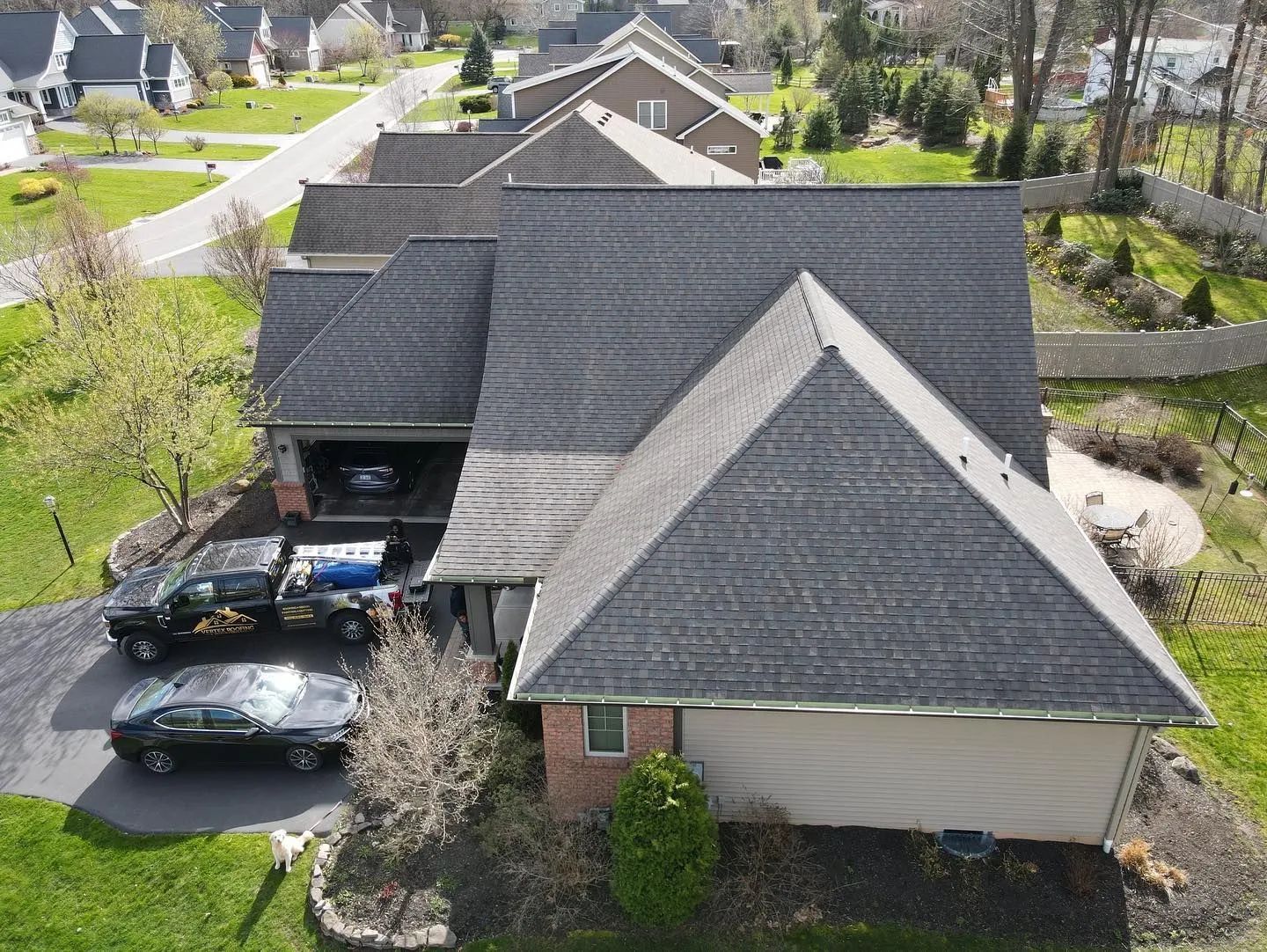
understands that Between pine straw in spring, storm season through the summer and fall, and the occasional hard freeze in winter, a Raeford, NC roof rarely gets a break, and small issues from one season tend to compound by the next. Vertex Roofing & Restoration
checks shingles, flashing, gutters, and drainage against exactly the seasonal stresses covered here, from pollen-season buildup to freeze-thaw damage at the eaves, and flags what needs attention before it becomes a bigger repair. Book a seasonal inspection before the next weather shift catches your roof unprepared.