Choosing the Right Paint for North Carolina Exteriors
Selecting the right exterior paint in North Carolina is a critical decision that directly impacts durability, curb appeal, and long-term property protection. The region’s climate is uniquely demanding, with high humidity, intense summer heat, and frequent storm activity all working together to challenge even high-quality coatings. Paint is not only a visual finish; it serves as a protective barrier against moisture intrusion, UV degradation, and structural wear. When incorrect products or application methods are used, premature peeling, fading, and cracking become common issues, leading to increased maintenance costs and reduced surface lifespan.
For residential and commercial properties alike, understanding how environmental stressors interact with exterior coatings is essential for making informed decisions. A well-selected paint system can significantly extend repaint cycles, improve energy efficiency, and maintain surface integrity under harsh conditions. In contrast, poorly matched materials often fail within a short period, especially in coastal and humid inland zones.
This discussion explores how North Carolina’s climate influences exterior paint performance and what factors must be considered when selecting coatings. It also highlights advanced approaches that enhance resilience and longevity, ensuring surfaces remain protected and visually consistent despite environmental challenges. Proper selection and application strategies create long-term value while reducing ongoing repair and repainting requirements.
1. Understanding North Carolina’s Exterior Climate Stress
High Humidity and Moisture Exposure
North Carolina experiences persistent humidity levels, especially in coastal and lowland regions. Moisture in the air penetrates porous exterior surfaces, gradually weakening paint adhesion and reducing coating effectiveness over time. This leads to blistering, bubbling, and early peeling when moisture-resistant formulations are not properly selected for long-term durability and protection needs.
Seasonal Temperature Variations
The state undergoes sharp seasonal shifts, moving from hot, humid summers to cooler winters. These temperature changes cause repeated expansion and contraction in exterior materials, placing continuous stress on paint films. Over time, this movement creates micro-cracks that slowly widen, reducing surface integrity and increasing vulnerability to weather-related deterioration and moisture penetration issues.
Storm Frequency and Impact
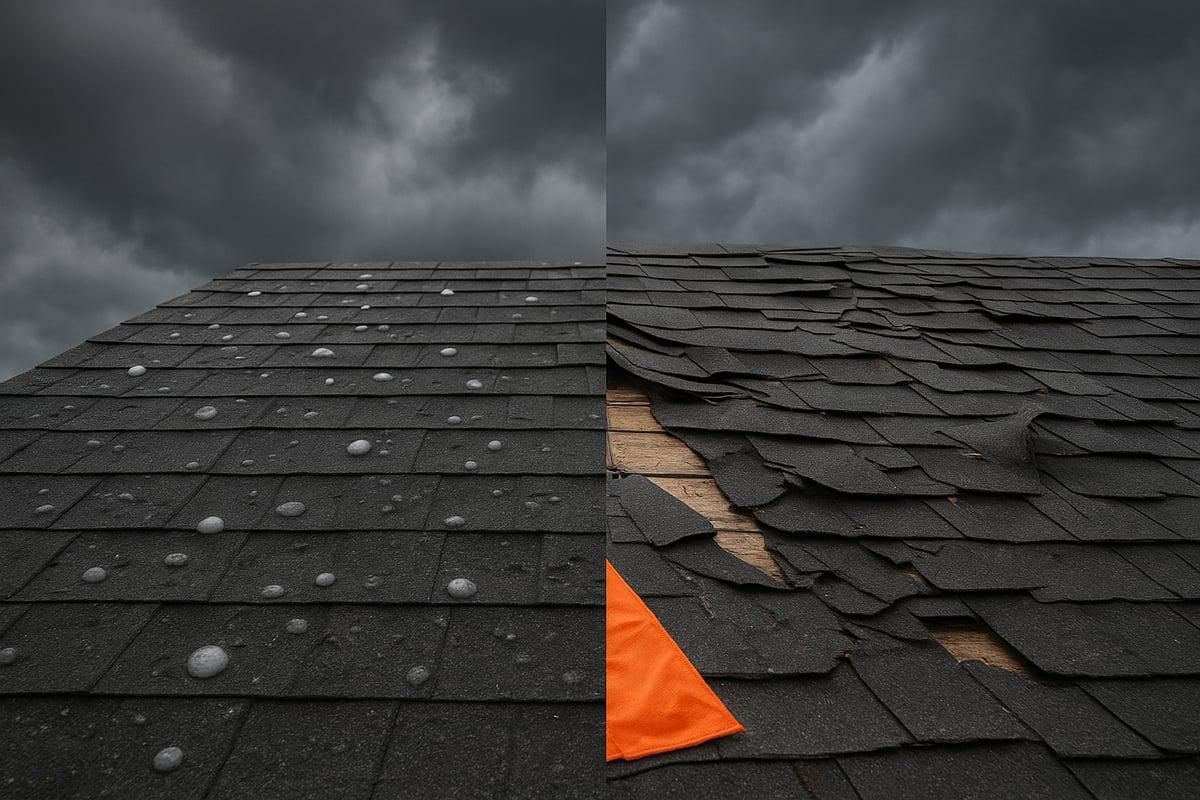
Heavy rainfall, strong winds, and occasional tropical systems expose exterior surfaces to intense environmental stress. Wind-driven rain forces water into unsealed areas and tiny surface openings, increasing the risk of internal moisture intrusion. This accelerates coating breakdown, weakens adhesion layers, and leads to premature peeling, cracking, and structural surface damage.
2. How Humidity Affects Exterior Paint Performance
Moisture Absorption and Surface Breakdown
Humidity accelerates the absorption of moisture into exterior materials such as wood, stucco, and siding. When this moisture becomes trapped beneath paint layers, it disrupts adhesion bonds and weakens structural stability. Over time, this condition results in peeling, swelling, and breakdown of surface coatings under continuous environmental exposure.
Mold, Mildew, and Biological Growth
Warm and humid conditions create an ideal environment for mold, mildew, and algae growth on exterior surfaces. These biological contaminants not only cause visible staining but also penetrate protective coatings, gradually degrading paint integrity. As growth spreads, it leads to discoloration, surface weakening, and increased maintenance requirements for long-term preservation.
Importance of Vapor-Permeable Coatings
Vapor-permeable coatings are essential in humid climates because they allow internal moisture to escape while blocking external water entry. This balance prevents trapped humidity beneath the surface, which is a leading cause of coating failure. Without breathable properties, paint layers deteriorate faster, resulting in reduced durability and higher repainting frequency.
3. Heat, UV Exposure, and Paint Degradation
Ultraviolet Radiation Damage
Strong sunlight in North Carolina continuously exposes exterior coatings to ultraviolet radiation, which breaks down paint pigments and binding agents over time. This process leads to fading, chalking, and dull surface appearance. Darker colors absorb more heat, increasing degradation speed and placing additional stress on coating longevity and performance stability.
Thermal Expansion and Surface Stress
High summer temperatures cause exterior materials to expand during the day and contract at night. This repeated thermal movement creates ongoing stress on rigid paint layers, eventually forming micro-cracks. Without flexible coating systems, these cracks expand, reducing protective performance and allowing moisture intrusion into underlying structural surfaces.
Energy Efficiency Considerations
Reflective exterior coatings help reduce heat absorption by deflecting sunlight away from surfaces. This lowers overall surface temperature and reduces thermal stress on paint layers. Improved heat reflection also contributes to better indoor temperature regulation, making exterior coating selection an important factor in both structural protection and energy efficiency performance.
4. Storm Conditions and Structural Protection Needs
Wind-Driven Rain Penetration
During storm events, wind forces rainwater into small cracks, joints, and unsealed areas on exterior surfaces. This trapped moisture spreads beneath paint layers, weakening adhesion and accelerating peeling. Over time, repeated exposure to wind-driven rain leads to structural deterioration and increases vulnerability to long-term water damage.
Impact of Debris and Abrasion
Strong storms often carry airborne debris such as dust, branches, and particles that strike exterior surfaces at high speed. This impact creates abrasion marks and weakens protective coatings. Durable paint systems with strong surface hardness help resist this physical damage, maintaining appearance and structural integrity even under severe weather conditions.
Importance of Strong Adhesion Systems
A strong adhesion system begins with high-quality primers that bond effectively to exterior substrates. This foundation supports multiple coating layers, ensuring stability during extreme weather conditions. Without proper adhesion strength, paint layers may separate from surfaces, leading to delamination, cracking, and accelerated deterioration during storm exposure cycles.
5. Selecting the Right Exterior Paint System
Acrylic-Based Exterior Coatings
Acrylic coatings are widely preferred for exterior applications due to their flexibility, UV resistance, and strong adhesion properties. These paints adapt well to temperature changes without cracking or losing structural integrity. Their breathable nature also allows moisture escape, making them suitable for humid and climate-variable regions requiring long-term durability.
Elastomeric Coatings for Waterproofing
Elastomeric coatings form a thick, flexible protective layer capable of bridging small surface cracks. This added elasticity enhances waterproofing performance and prevents moisture intrusion. These coatings are especially effective on stucco and masonry surfaces, where structural movement and environmental exposure demand higher levels of flexibility and water resistance protection.
Primer Compatibility and Surface Preparation
Proper primer selection ensures strong bonding between exterior surfaces and paint layers. Without correct priming, uneven absorption can occur, leading to weak adhesion and premature coating failure. Surface preparation, including cleaning and repair, is essential to create a stable foundation that supports long-lasting and consistent exterior paint performance.
Color Selection and Heat Reflection
Lighter exterior colors reflect more sunlight, reducing heat absorption and minimizing thermal stress on paint films. This helps maintain surface stability and prevents premature fading. Heat-reflective color selection also improves energy efficiency by reducing surface temperature, making it a practical choice for long-term exterior protection in warm climates.
Advanced Application Techniques
Proper application methods such as spray and back-roll techniques ensure even paint distribution across textured and smooth surfaces. These techniques improve coating penetration and adhesion, reducing weak spots. Consistent layering enhances durability, ensuring exterior surfaces maintain uniform protection and long-lasting resistance against environmental stress and weather-related deterioration factors.
6. Application Practices and Long-Term Maintenance
Surface Cleaning and Preparation
Thorough cleaning removes dirt, mildew, grease, and loose particles before painting begins. This step ensures maximum adhesion between the surface and coating layers. Proper preparation creates a stable foundation that allows paint systems to bond effectively, resulting in smoother finishes and improved durability under environmental exposure and weather conditions.
Moisture Control Before Application
Ensuring surfaces are completely dry before applying paint is essential in humid environments. Trapped moisture beneath coatings weakens adhesion and causes premature failure. Proper drying conditions prevent bubbling, peeling, and structural damage, ensuring that exterior coatings maintain strong performance and long-term resistance against environmental stress and moisture-related deterioration.
Correct Layer Thickness
Applying paint at the correct thickness is essential for durability and performance. Thin layers wear out quickly under UV exposure, while excessively thick coatings may crack during thermal movement. Balanced application ensures uniform protection, improves flexibility, and enhances the overall lifespan of exterior paint systems under varying environmental conditions.
Routine Inspection and Touch-Ups
Regular inspection helps identify early signs of paint deterioration such as fading, cracking, or surface wear. Addressing these issues promptly through touch-ups prevents larger structural problems. Consistent maintenance extends coating life, preserves appearance, and reduces the need for frequent full-scale repainting across exterior surfaces exposed to harsh conditions.
Seasonal Maintenance Strategy
Seasonal maintenance ensures exterior surfaces remain protected during periods of extreme weather stress. Pre-summer and pre-monsoon inspections help identify vulnerabilities before exposure increases. Scheduled maintenance improves coating resilience, reduces long-term damage risks, and ensures exterior paint systems maintain consistent performance throughout changing environmental conditions and seasonal cycles.
Trusted Vertex Roofing Delivers Exterior Durability Solutions
North Carolina’s climate presents a complex combination of humidity, heat, and storm exposure that significantly influences exterior paint performance. Understanding how these elements interact with building materials is essential for selecting coatings that deliver long-lasting protection. Moisture resistance, UV stability, flexibility, and proper application techniques all play a vital role in ensuring exterior surfaces remain durable and visually appealing. Without these considerations, premature deterioration becomes a common outcome, leading to increased maintenance costs and structural vulnerabilities.
Vertex Roofing & Restoration
is a roofing company based in Hoke County, NC, with 10
years of experience delivering dependable exterior protection solutions. A strong commitment to quality craftsmanship ensures every project reflects durability, precision, and long-term value. Advanced restoration methods combined with climate-specific expertise allow surfaces to perform effectively under North Carolina’s demanding weather conditions. Every project is approached with a focus on resilience, material compatibility, and lasting performance, ensuring property owners receive reliable protection and enhanced structural longevity through every season.