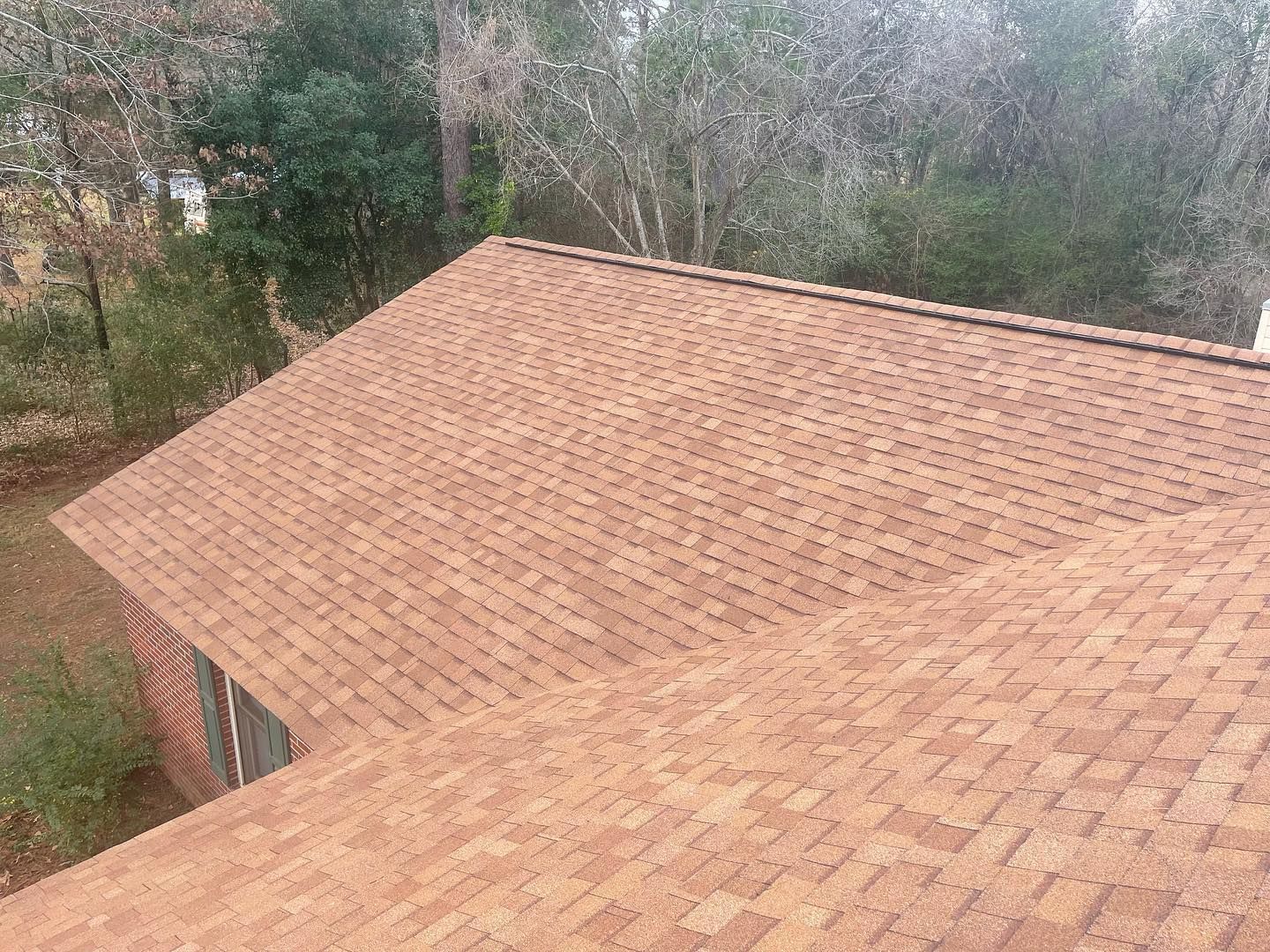
Gutter Installation: Why Proper Drainage Protects Your Roof and Foundation
Water management plays a major role in protecting residential and commercial properties from long-term structural damage. Gutters may appear simple from the outside, but a properly installed drainage system serves as one of the most important defenses against roof deterioration, soil erosion, basement moisture, and foundation instability. When rainwater is not directed away from a structure correctly, moisture begins to collect around vulnerable areas of the property. Over time, this excess water can weaken roofing materials, damage siding, stain exterior surfaces, and compromise the integrity of the foundation. Property owners often underestimate the importance of gutters until expensive repairs become unavoidable.
Professional gutter installation supports the overall performance of a roofing system while improving the durability of the entire structure. Proper drainage controls water flow during heavy storms, reduces standing water near the foundation, and prevents moisture intrusion that may lead to mold growth or wood rot. Modern gutter systems are designed to handle changing weather conditions while complementing the appearance of the property. Understanding how gutters protect roofing systems and foundations helps property owners make informed decisions about installation, maintenance, and long-term structural protection.
The Critical Role of Gutters in Property Protection
Managing Water Flow Around the Structure
Gutters are designed to collect rainwater from the roof and channel it safely away from the property. Without a controlled drainage system, rainwater falls directly from roof edges and pools around the base of the structure. This repeated exposure gradually weakens soil stability and increases pressure against the foundation walls. During heavy rainfall, uncontrolled runoff can also damage landscaping, stain exterior walls, and create muddy areas around walkways.
A professionally installed gutter system maintains a consistent path for water movement. Downspouts direct water away from critical structural zones, reducing the risk of pooling near the property. This function helps preserve the integrity of the roof, siding, fascia boards, and foundation.
Protecting Roofing Materials From Moisture Damage
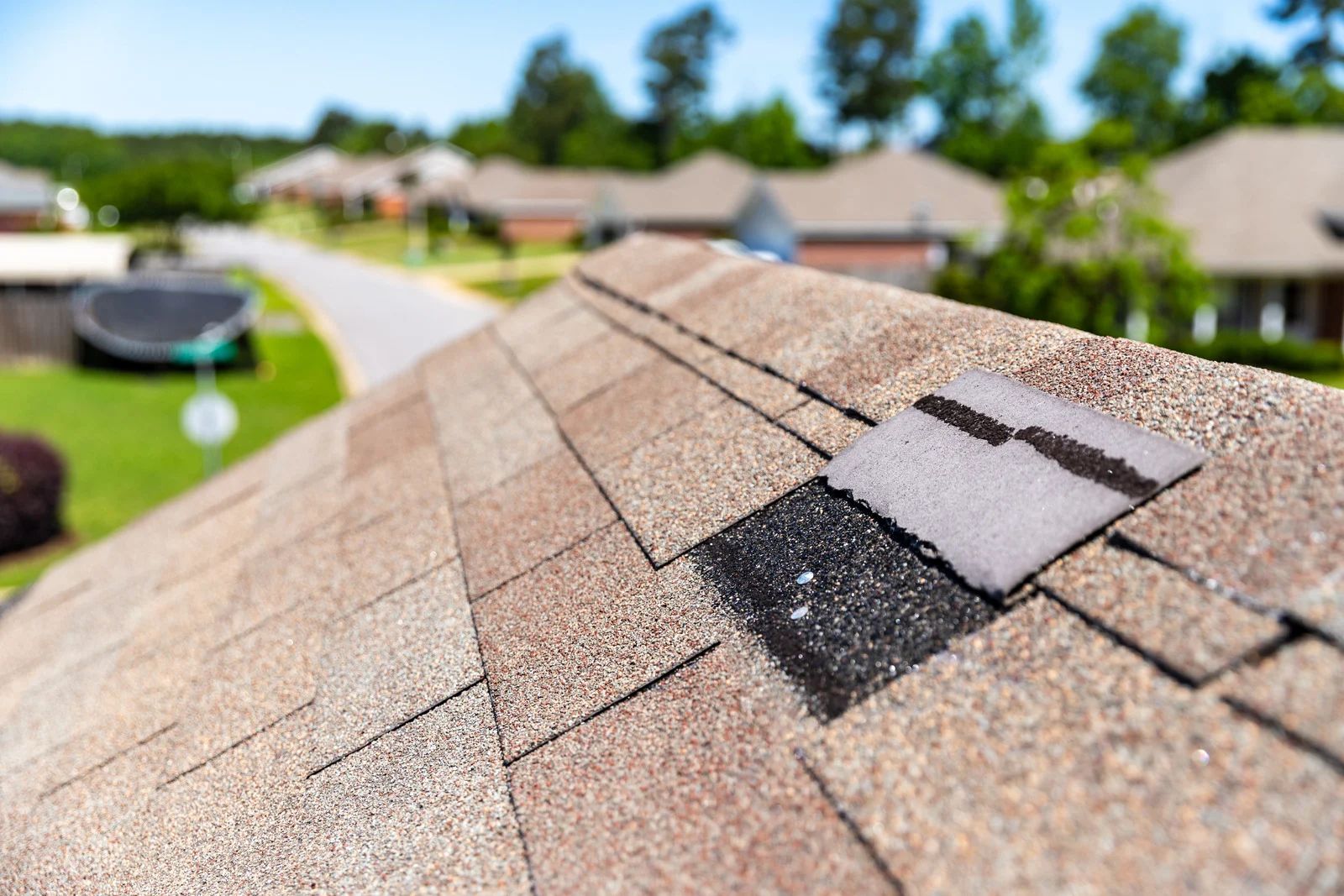
Water accumulation near the roofline creates serious risks for shingles, underlayment, and roof decking. When gutters are clogged, improperly sloped, or poorly installed, rainwater may back up beneath roofing materials. Moisture intrusion often leads to wood rot, mold growth, and deterioration within the roofing structure.
Ice dams are another common issue linked to poor drainage. During colder conditions, trapped water freezes near roof edges and prevents proper runoff. As ice builds up, shingles may lift and expose vulnerable sections of the roof to water penetration. Properly installed gutters support healthy drainage patterns that reduce these risks and extend the lifespan of roofing materials.
Preventing Foundation Settlement and Cracking
One of the most expensive structural issues caused by poor drainage involves foundation movement. Excess moisture surrounding the foundation changes soil conditions and increases hydrostatic pressure. Over time, this pressure contributes to cracking, shifting, and uneven settlement.
Consistent drainage helps maintain balanced soil moisture levels around the structure. By directing rainwater away from the property, gutters reduce stress on the foundation and help preserve long-term structural stability. This protection becomes even more important in areas that experience heavy rainfall, storms, or seasonal weather changes.
Key Elements of a Proper Gutter Installation
Choosing the Right Gutter Material
Selecting the right gutter material influences durability, maintenance needs, and long-term performance. Aluminum gutters remain one of the most popular options because they resist corrosion and provide reliable protection at a reasonable cost. Copper gutters offer a premium appearance and long lifespan, while steel gutters provide strength in regions with severe weather.
Vinyl gutters are another option for lighter residential applications, although they may become brittle under extreme temperature changes. Material selection should consider local climate conditions, roof size, expected rainfall levels, and maintenance expectations.
Correct Sizing for Water Capacity
Improperly sized gutters struggle to manage water flow during storms. If gutters are too narrow, overflow becomes common and water spills over roof edges instead of entering the drainage system. Larger roofing systems often require wider gutters and additional downspouts to handle increased runoff.
Professional installers evaluate roof pitch, square footage, and average rainfall when determining the correct gutter dimensions. This assessment helps prevent overflow issues that may damage siding, landscaping, and foundations.
Importance of Proper Slope and Placement
Even high-quality gutters fail when installation angles are incorrect. Gutters must maintain a slight slope toward downspouts so water can flow freely through the system. If the slope is too flat, standing water accumulates inside the gutter channel. If the angle is too steep, water may rush too quickly and bypass downspouts during heavy rainfall.
Placement also matters. Gutters should align properly beneath the roof edge to capture runoff without allowing water to spill behind the system. Secure fastening methods help gutters remain stable during storms and strong winds.
Downspout Positioning and Drainage Extensions
Downspouts play a major role in directing water away from the structure. Poor downspout placement often leads to concentrated water pooling near the foundation. Drainage extensions help move runoff farther from the property and reduce soil saturation.
Many properties benefit from underground drainage systems or splash blocks that improve water dispersal. Evaluating the surrounding landscape allows installers to create efficient drainage pathways that protect vulnerable areas around the structure.
Common Problems Caused by Poor Drainage Systems
Roof Leaks and Interior Water Damage
One of the earliest signs of poor drainage is water infiltration near the roofline. Overflowing gutters allow water to seep beneath shingles and enter attic spaces. Over time, this moisture damages insulation, ceilings, drywall, and wooden framing.
Property owners often notice discoloration, peeling paint, or musty odors before identifying the source of the problem. Addressing drainage issues early prevents costly repairs and reduces the likelihood of hidden structural deterioration.
Fascia and Soffit Deterioration
Fascia boards support the gutter system and provide a finished appearance along the roof edge. When gutters overflow repeatedly, water saturates these wooden components and accelerates decay. Damaged fascia weakens gutter attachment points and increases the risk of sagging or detachment.
Soffits also suffer when moisture remains trapped near the roofline. Ventilation problems may develop as materials deteriorate, contributing to heat and moisture buildup inside attic spaces.
Basement Flooding and Moisture Intrusion
Improper drainage frequently contributes to basement water problems. When rainwater collects around the foundation, moisture eventually enters through cracks, joints, or porous concrete surfaces. Basement flooding damages flooring, furniture, storage items, and electrical systems.
Even smaller moisture issues create unhealthy indoor conditions by encouraging mold growth. Proper gutter installation reduces the amount of water reaching the foundation and lowers the risk of basement leaks.
Landscape Erosion and Exterior Damage
Heavy runoff from missing or damaged gutters washes away soil and destroys landscaping features. Flower beds, mulch areas, and decorative pathways often experience erosion when water is not controlled properly.
Exterior surfaces may also suffer staining and deterioration from repeated water exposure. Brick, siding, and concrete surfaces become vulnerable to discoloration and premature wear when drainage systems fail to manage runoff correctly.
Best Practices for Maintaining Long-Term Drainage Performance
Routine Gutter Cleaning and Inspections
Regular maintenance helps gutters perform as intended throughout the year. Leaves, twigs, and debris block water flow and create overflow issues during storms. Cleaning gutters at least twice a year reduces buildup and allows proper drainage.
Routine inspections also help identify loose fasteners, sagging sections, corrosion, or small leaks before larger problems develop. Early repairs often prevent more expensive structural damage.
Installing Gutter Guards for Added Protection
Gutter guards help reduce debris accumulation while improving water flow through the system. Although gutter guards do not eliminate maintenance completely, they reduce the frequency of cleanings and help prevent clog-related overflow.
Several guard styles are available, including mesh screens, surface tension systems, and foam inserts. Choosing the right design depends on surrounding vegetation, climate conditions, and maintenance preferences.
Monitoring Drainage During Heavy Rainfall
Observing gutter performance during storms provides valuable insight into system efficiency. Overflowing sections, dripping joints, or water pooling near the foundation often indicate installation or maintenance issues.
Property owners should monitor whether downspouts discharge water far enough away from the structure. If runoff collects near the property, additional drainage solutions may be required to improve protection.
Scheduling Professional Evaluations
Professional assessments provide a more detailed understanding of gutter performance and roof drainage conditions. Roofing and drainage specialists can identify hidden weaknesses that may not be visible from ground level.
Periodic evaluations become especially important after severe storms, roof replacements, or major weather events. Expert recommendations help property owners maintain reliable drainage protection over the long term.
Experienced Roofing Professionals Focused on Drainage Protection
Proper gutter installation plays a direct role in protecting roofs, foundations, and surrounding structural components from long-term water damage. A reliable drainage system manages runoff properly, reduces moisture intrusion, and helps preserve the stability of the property during changing weather conditions. From preventing roof leaks and foundation cracking to reducing erosion and basement flooding, gutters serve as a critical defense against costly structural problems.
Vertex Roofing & Restoration
is a trusted roofing company serving Hoke County with a strong commitment to dependable roofing and drainage solutions. With 10
years of industry experience, we understand how proper
gutter installation
supports roof protection, foundation stability, and long-term structural durability. Our approach focuses on high-quality workmanship, detailed inspections, and reliable drainage systems designed to handle demanding weather conditions. We work closely with property owners to evaluate roofing needs, identify drainage concerns, and provide solutions that support long-term protection for residential and commercial properties.